Source Sea Iron Plate Fishing Lure for Ocean Beach, River, and Lake
Find 27 sea iron plate fishing lure options for ocean beach, river, and lake fishing. Compare ABS, PVC, and metal models with customization available. View specs for 12cm and 5cm sizes to select the right hard bait for your needs.
Key considerations
Products List




Comprehensive Sourcing Guide
Sea Iron Plate Fishing Lure Sourcing Guide
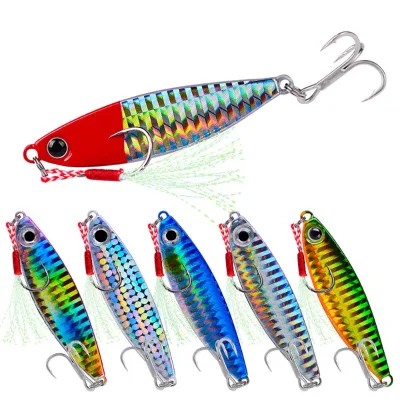
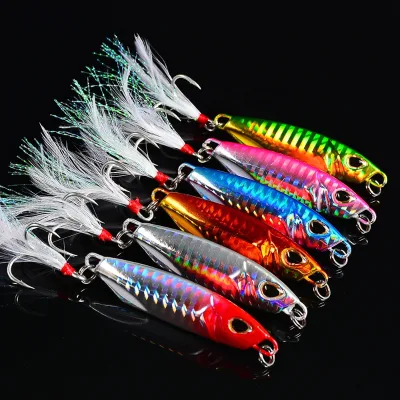
Procurement of sea iron plate fishing lures requires distinguishing between specific metal jig designs and broader artificial bait categories found in current listings. The available data indicates a diverse inventory including metal body jigs, spoon jigs, and hard bait varieties, with materials ranging from pure metal to silicone-composite blends. Buyers must verify that the specific "iron plate" designation aligns with the actual construction, as some listings describe generic metal bodies while others specify distinct jig head configurations or spoon shapes.
Sourcing strategies should prioritize suppliers who explicitly define the lure's weight and length specifications, as observed ranges include models like 12cm60g and 9cm26g alongside smaller 5cm variants. The market data suggests that customization is widely available, allowing buyers to request specific dimensions or color schemes to match target species. However, the presence of varied materials like ABS and PVC in the same category necessitates careful filtering to ensure the selected product matches the intended durability and sinking characteristics required for deep-water or surface fishing applications.
Product Scope and Observed Listing Signals
The current market signals reveal a wide spectrum of artificial bait types, including VIB lures, pencil lures, and traditional spoon jigs, all categorized under seawater fishing applications. Listings frequently mention suitability for diverse environments such as ocean beaches, rock fishing, and reservoir ponds, indicating that the product scope extends beyond simple metal plates to include complex multi-material bodies. Buyers should note that while some items are described as "hard bait," others utilize silicone and metal combinations, which significantly alters the swimming action and durability profile of the lure.
Observations of packaging and shipping methods provide critical insights into the supply chain maturity of potential vendors. Products are listed with varied packaging standards, ranging from individual blister boxes and PP bags to bulk sea transportation containers, which directly impacts logistics costs and product protection during transit. The presence of "customized" standards and OEM services suggests that many suppliers are prepared to handle private label requests, but buyers must confirm whether the specific iron plate design can be replicated exactly or if only generic metal bodies are available for modification.
Technical Specifications to Verify
Technical verification must begin with precise dimensional and weight matching, as observed models vary significantly from 5cm/6.6g to larger 15cm80g configurations. The sinking depth is a critical parameter, with some listings specifying "full water level" capabilities while others are designed for surface or mid-water action. Buyers should demand detailed charts correlating lure length with weight to ensure the selected iron plate lure achieves the desired sink rate for the specific fishing depth, as generic metal bodies may not perform identically across different water densities.
Material composition requires rigorous scrutiny to distinguish between pure metal constructions and composite designs involving ABS or PVC. While the core keyword implies an iron or steel plate, the data shows listings for metal bodies paired with silicone skirts or entirely plastic hard baits. Procurement teams must verify the specific alloy or coating used on the metal components to ensure corrosion resistance in saltwater environments, as the longevity of the lure depends heavily on the quality of the metal finish and the integrity of the hook attachment points.
Compliance and Safety Documentation
Safety documentation for fishing lures primarily focuses on the integrity of sharp components and the chemical safety of any coatings or paints used on the metal surfaces. Although specific certification standards are not explicitly listed in the provided data, buyers should require evidence that the metal components are free from hazardous heavy metals and that any adhesives or silicone parts meet international safety thresholds for recreational fishing gear. This is particularly important for lures intended for export to markets with strict regulations on consumer product safety.
Environmental compliance is another critical area, especially regarding the disposal of metal components and the sustainability of packaging materials. Suppliers offering "customized" options should be asked to confirm that their production processes adhere to local environmental regulations in their region of origin, such as Shandong or Weihai in China. Buyers must ensure that the packaging, whether blister boxes or plastic bags, does not violate destination country restrictions on single-use plastics, as this can impact the overall cost and feasibility of the import process.
Cost Drivers and Commercial Terms
Cost structures for sea iron plate fishing lures are heavily influenced by the complexity of the mold design and the specific metal finishing processes required. The observed price range of 0.1 to 5.69 USD suggests a wide disparity between basic metal jigs and more complex, multi-material lures with custom branding. Buyers should analyze whether the lower price points correspond to generic, unbranded items or if they reflect high-volume production of standard models, as customization fees for logos and specific color schemes can significantly alter the unit cost.
Commercial terms regarding Minimum Order Quantities (MOQ) and payment security are vital for managing cash flow and inventory risk. The data indicates MOQs ranging from 50 to 10,000 units, requiring buyers to align their order volume with their sales forecasts to avoid excessive stock holding. Payment terms should be negotiated to include secured methods, as listed in the supplier attributes, to protect against non-delivery. Additionally, lead times and shipping methods, such as sea transportation versus air freight, must be factored into the total landed cost calculation to ensure competitive pricing in the target market.
Supplier Qualification and Quality Control
Supplier qualification should prioritize manufacturers with a proven track record in producing metal fishing lures, specifically those located in established fishing tackle hubs like Shandong and Weihai. The presence of OEM services and customization capabilities indicates a level of manufacturing flexibility, but buyers must verify the supplier's capacity to maintain consistent quality across large batches. It is essential to request samples of the specific iron plate design to test the balance, hook sharpness, and coating adhesion before committing to a large order.
Quality control protocols must address the specific failure points common in metal lures, such as hook detachment, paint chipping, and corrosion. Buyers should implement a rigorous inspection plan that includes random sampling from production batches to verify that the weight and dimensions match the agreed specifications. Given the variation in materials observed, from pure metal to silicone blends, the quality control process must be tailored to the specific product type to ensure that the final lure performs reliably in the harsh conditions of saltwater fishing.
Long-Term Procurement Checks
Establishing a long-term procurement relationship requires regular performance reviews of the lures in actual fishing conditions to validate the supplier's claims regarding durability and action. Buyers should track return rates and customer feedback to identify any recurring issues with the metal plating or hook integrity, as these factors directly impact brand reputation. Continuous communication with the supplier regarding material sourcing and production updates will help mitigate risks associated with supply chain disruptions or changes in raw material costs.
Strategic planning for future orders should include the development of a standardized specification sheet that captures all critical technical parameters, ensuring consistency across different production runs. As the market evolves, buyers should remain open to incorporating new designs or materials that may offer improved performance, such as enhanced corrosion resistance or more realistic swimming actions. Maintaining a diverse supplier base can also provide leverage in negotiations and ensure business continuity if a primary supplier faces capacity constraints or quality issues.
FAQs
What materials are used for sea iron plate fishing lures?
Sea iron plate fishing lures are typically constructed from durable materials such as ABS, PVC, and metal. These materials ensure the lure maintains its shape and weight distribution during retrieval. Metal bodies provide the necessary sink rate for deep-water applications, while plastic components allow for realistic movement and color retention in various water conditions.
Can sea iron plate fishing lures be customized for branding?
Yes, customization is available for sea iron plate fishing lures. Buyers can request specific logos, packaging designs, and color schemes to match their brand identity. OEM services allow for tailored production runs, ensuring that the final product meets specific marketing requirements while maintaining the functional integrity of the lure for effective fishing performance.
What sizes are available for sea iron plate fishing lures?
Available sizes for sea iron plate fishing lures include 5cm, 9cm, 12cm, and 15cm options. Corresponding weights range from 6.6g to 80g, allowing anglers to select the appropriate lure for different fish species and water depths. Custom sizes can also be requested to meet specific fishing requirements or target species preferences.
Where are sea iron plate fishing lures manufactured?
Sea iron plate fishing lures are primarily manufactured in China, with specific production hubs in Shandong and Weihai. These regions are known for their established fishing tackle industries and supply chain efficiency. Buyers can source products directly from these locations, ensuring access to a wide variety of lure types and competitive manufacturing capabilities.
What is the typical packaging for sea iron plate fishing lures?
Typical packaging for sea iron plate fishing lures includes boxes, blister packs, and plastic bags. Some products are packed in PP bags for bulk shipping, while retail-ready options feature branded boxes. Packaging can be customized to include logos and product information, ensuring safe transport and attractive presentation for end consumers in various retail environments.
Are sea iron plate fishing lures suitable for saltwater use?
Yes, sea iron plate fishing lures are suitable for both freshwater and saltwater environments. Their construction materials, such as metal and durable plastics, resist corrosion and wear from prolonged exposure to saltwater. This versatility allows anglers to use the same lure types for ocean beach fishing, boat fishing, and reservoir pond fishing with consistent performance.